

Climate-Resilient Trees for UK Gardens
Trees are a long-term addition to any garden, so the trees we plant today need to be suited not only to current conditions but to the climate they may experience in decades to come.
Hotter, drier summers are one part of that picture, but climate resilience is about more than drought tolerance. Wetter winters, periods of intense rainfall, heat and changing seasonal patterns can all put trees under pressure. The RHS report on gardening in a changing climate highlights warmer summers, increased drought risk and wetter winters as key considerations for UK gardens.
Choosing the right tree for the right place remains essential. The following trees, grouped by their eventual size, have been selected for their ability to cope with a range of challenging conditions, including hotter, drier summers and changing rainfall patterns.
Small climate-resilient trees
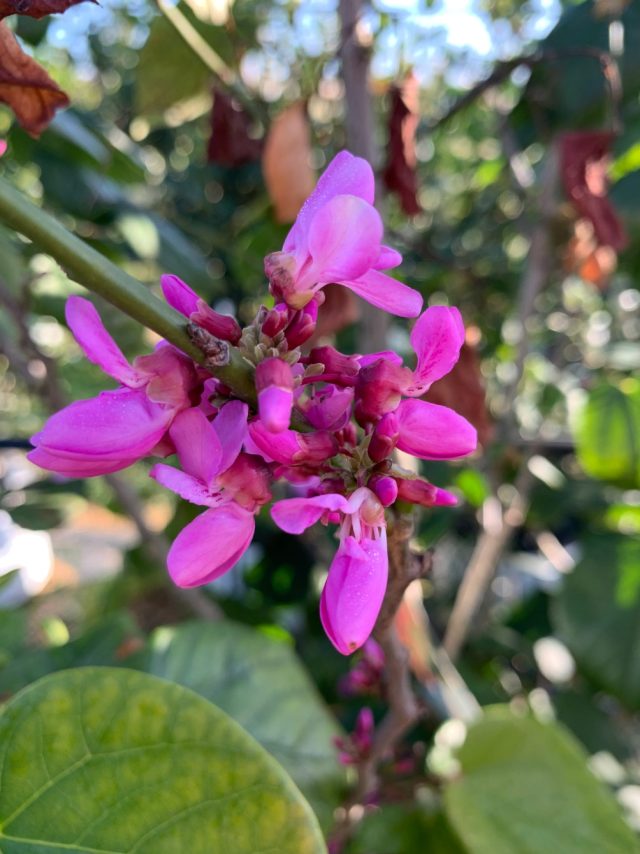
Cercis chinensis ‘Avondale’ – Chinese Redbud
Chinese Redbud adapts to a wide range of soil types, including chalk, clay, loam and sand, provided the soil is moist but well drained. It performs particularly well in warm, south- or west-facing gardens and is best planted in a sheltered position rather than an exposed site.
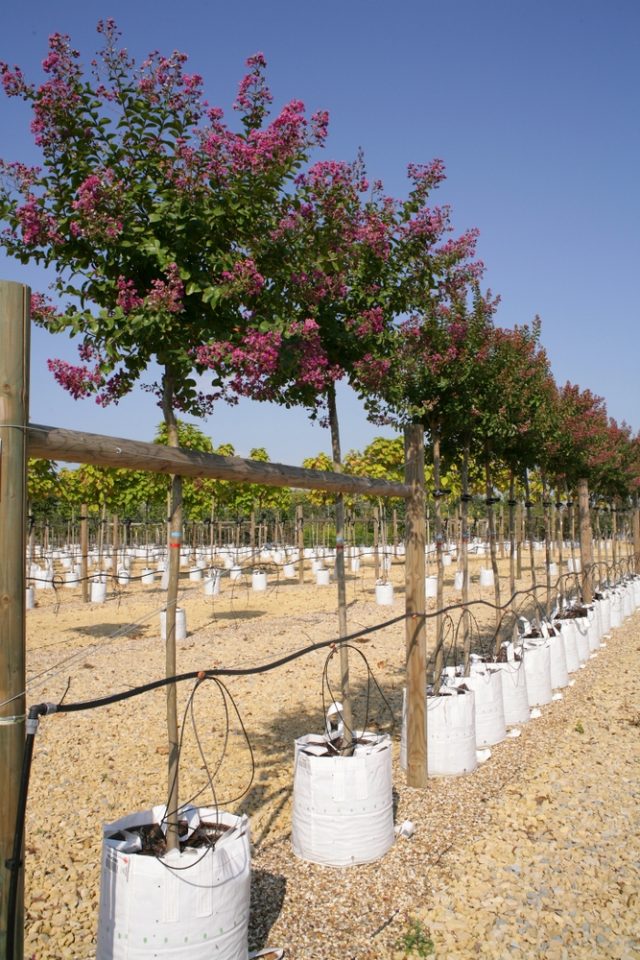
Lagerstroemia indica ‘Rosea’ – Pink Crape Myrtle
Pink Crape Myrtle thrives in full sun and warm conditions. While not fully hardy, it is increasingly becoming a viable choice for sheltered, south-facing gardens in southern and milder parts of the UK as summers become warmer and drier.
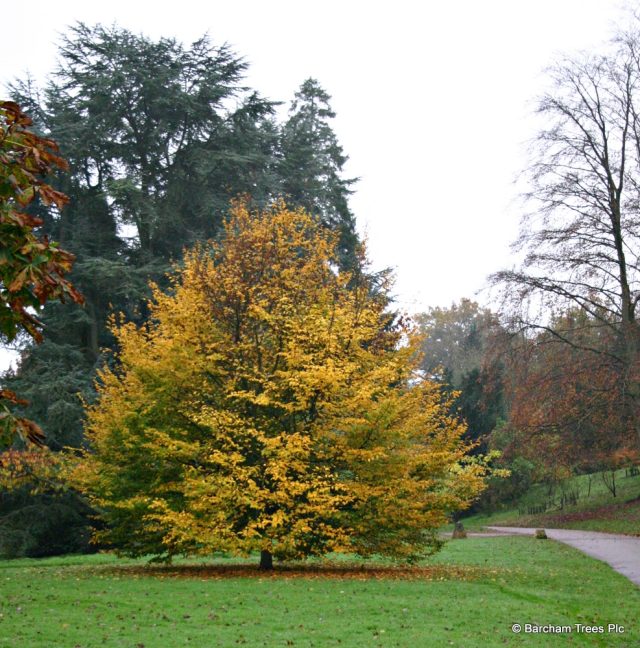
Parrotia persica – Persian Ironwood
Persian Ironwood is an adaptable tree that performs well in a wide range of soils, including chalk. Its ability to cope with varied ground conditions makes it a dependable choice for gardens where long-term resilience is an important consideration.
It is best suited to sites where the soil is reasonably well drained.
Medium climate-resilient trees
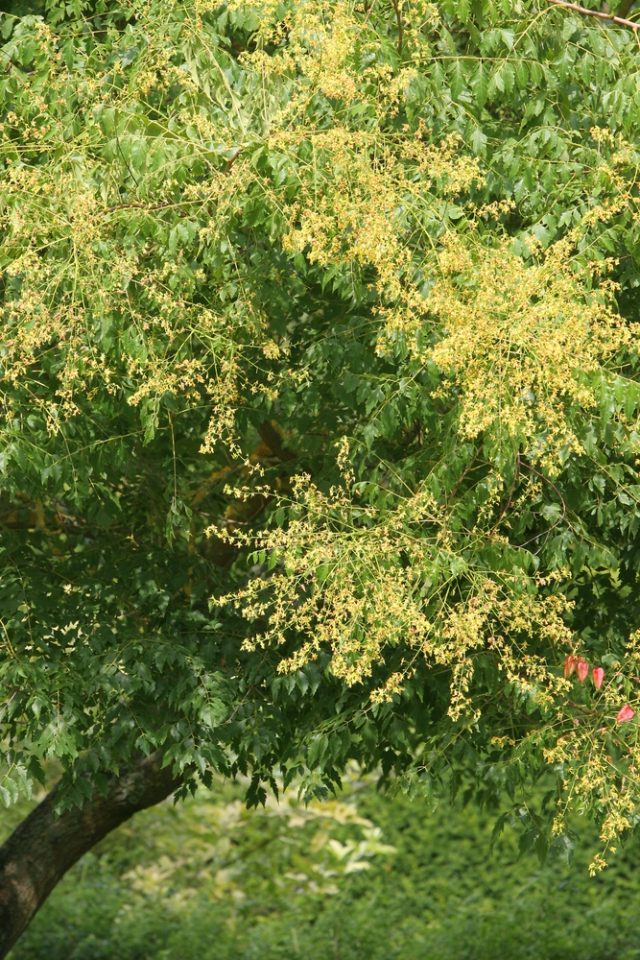
Koelreuteria paniculata – Pride of India
Pride of India is a resilient tree that copes well with a wide range of climate and soil conditions. It tolerates heat, periods of drought, wind, pollution and urban environments, making it a strong choice for sites where trees may face several different stresses.
It performs best in a sunny position with free-draining soil, so it is particularly well suited to warmer, drier locations.
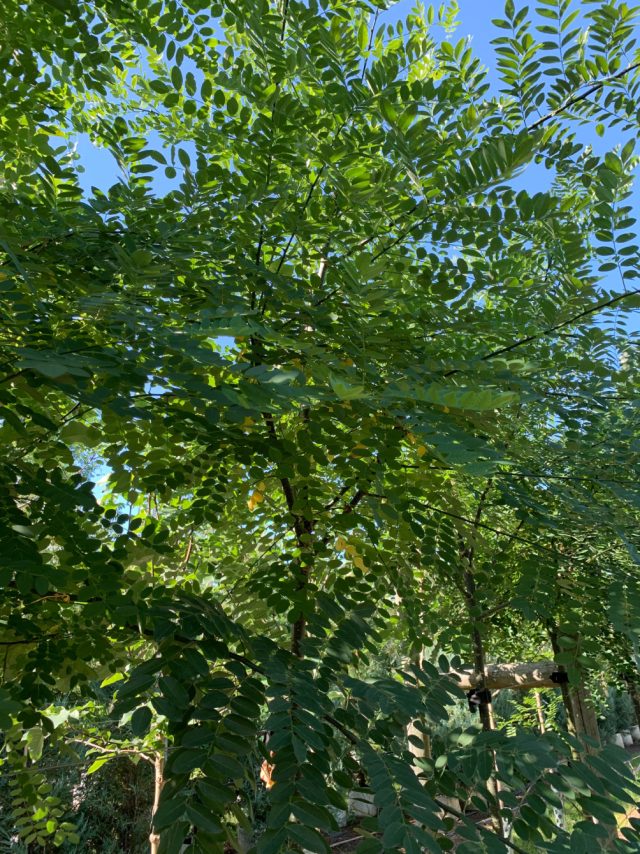
Styphnolobium japonicum ‘Regent’ – Japanese Pagoda Tree
Japanese Pagoda Tree ‘Regent,’ also known as Sophora japonica, is well suited to warmer parts of the UK, particularly southern and urban locations. It thrives in sunny, sheltered positions and adapts well to a range of well-drained soils.
Its tolerance of heat and urban conditions makes it a strong option where summers are becoming warmer, provided it is given adequate shelter and good drainage.
Large climate-resilient trees
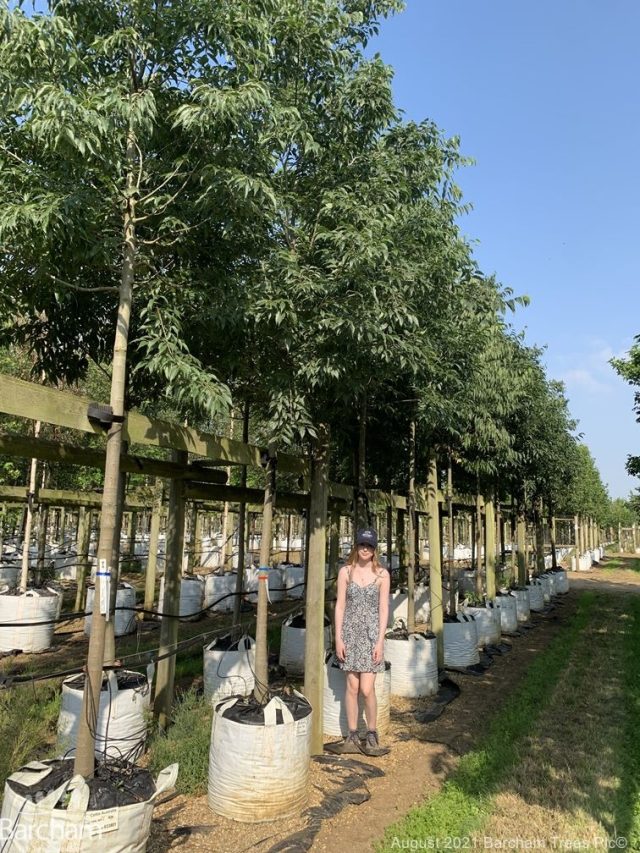
Celtis australis – Nettle Tree
Nettle Tree is a durable and adaptable species widely used in urban planting across southern Europe. It thrives in locations exposed to reflected heat and intense sunlight and performs well on most soils.
It also tolerates salt-laden air, making it suitable for coastal areas, although it is best planted away from the most exposed frontline positions.
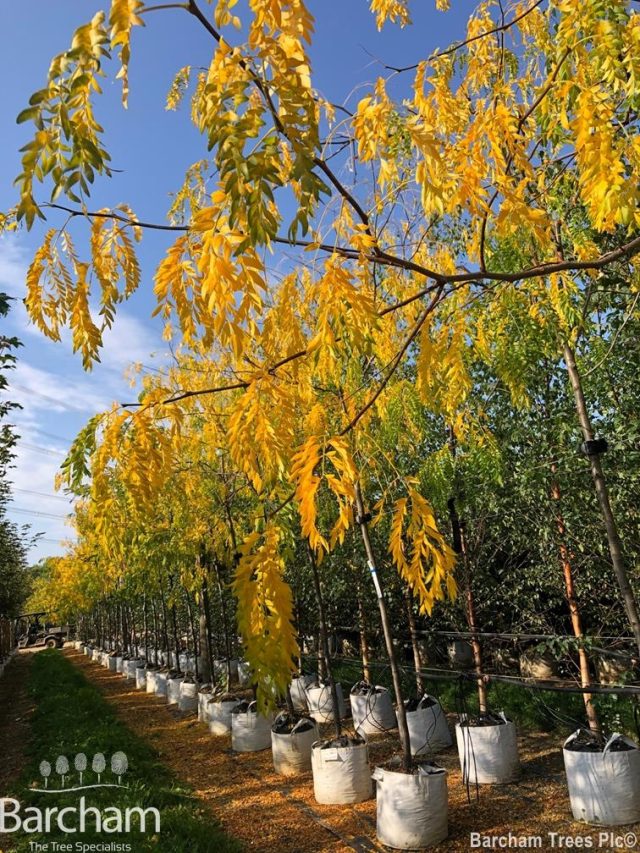
Gleditsia triacanthos ‘Skyline’ – Honey Locust
Honey Locust ‘Skyline’ is a tough and adaptable tree that, once established, thrives on a wide range of soils, including both wet and dry conditions.
It also copes well with intense reflected light and heat, making it particularly suitable for challenging urban or hard-landscaped environments where temperatures can be higher.
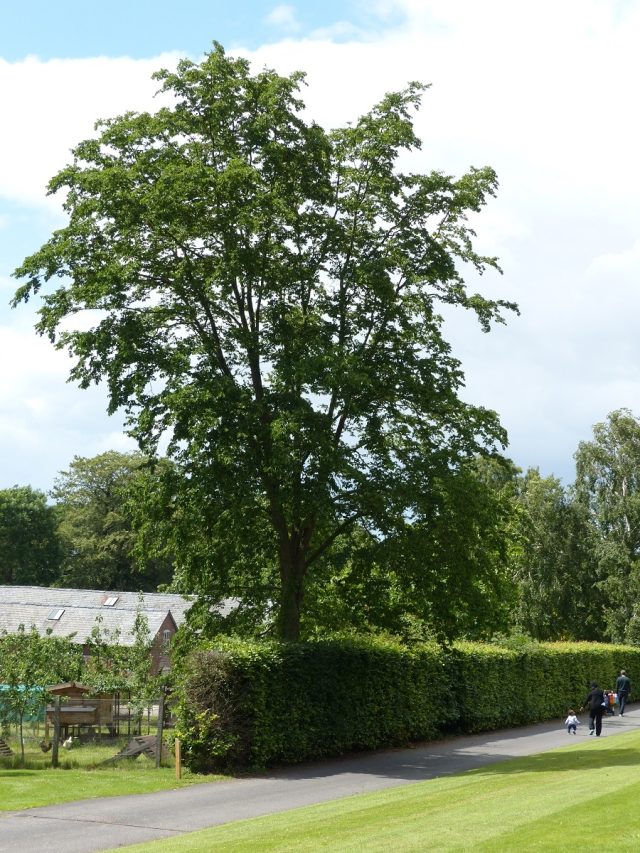
Ostrya carpinifolia – Hop Hornbeam
Hop Hornbeam is a particularly tough and adaptable tree that thrives in a wide range of conditions. Its ability to perform reliably across varied sites makes it a strong contender for planting where long-term resilience is a priority.
It is best suited to larger gardens and parkland, where it has enough space to establish and develop fully.
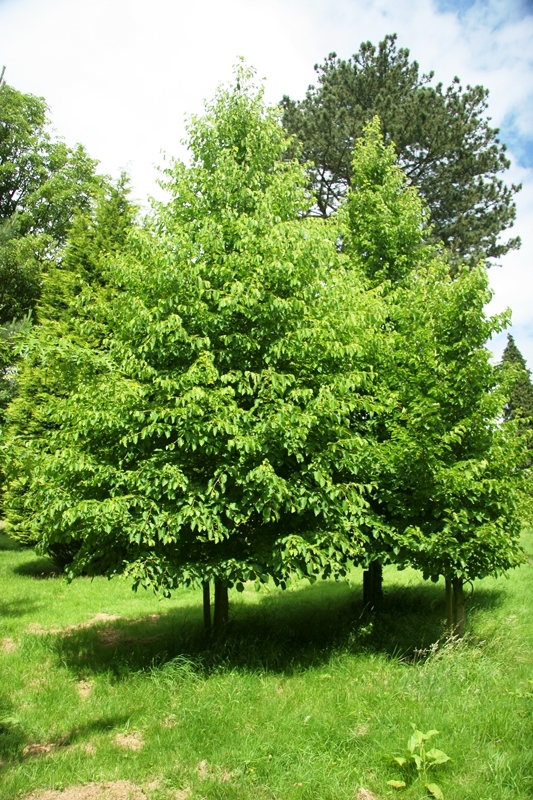
Corylus colurna – Turkish Hazel
Turkish Hazel is a tough and adaptable tree that performs well across a wide range of soils, including chalk and clay. Its ability to cope with varied ground conditions makes it a reliable choice for long-term planting.
It is also well suited to avenues, parkland and urban environments, where its resilience and consistent performance have made it an increasingly popular choice.
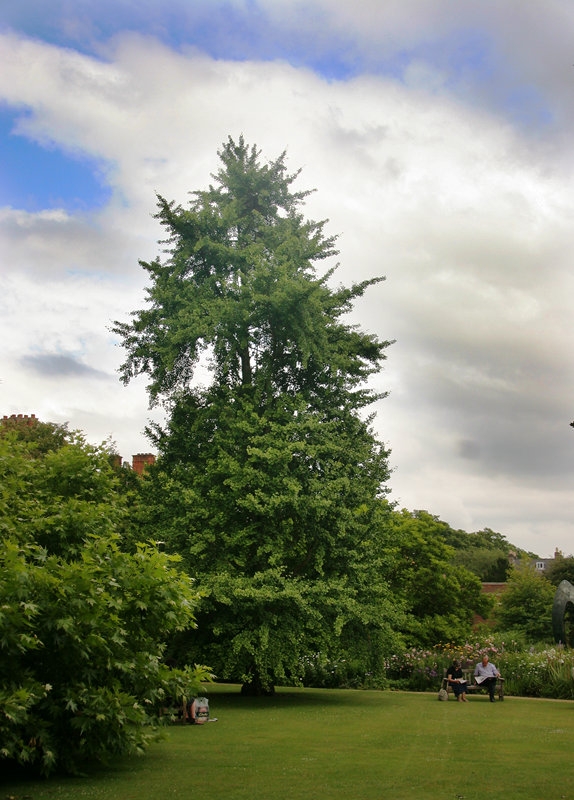
Ginkgo biloba – Maidenhair Tree
Maidenhair Tree is exceptionally tough and well suited to demanding urban conditions. Its deep-root system helps it cope with challenging sites, while air pollution, reflected heat and intense light are all conditions it tolerates well.
This makes Ginkgo biloba a strong choice for parks, avenues and other large-scale plantings where long-term resilience is an important consideration.
Choosing the right tree for a changing climate
There is no single tree that is suitable for every garden. Soil type, drainage, exposure, available space and local climate should all be considered before planting.
This is particularly important when selecting trees for warmer and drier conditions. A species capable of coping with summer drought may still perform poorly if planted in waterlogged soil over winter, while trees from warmer climates may need protection from exposed or frost-prone positions.
While these trees have been selected for their ability to cope with warmer and drier conditions, it is also worth checking their RHS hardiness rating to understand how well they are likely to cope with winter frosts and cold spells in your area.
Climate resilience may also mean looking beyond native species where conditions demand it. Non-native trees can be combined with native and near-native planting elsewhere in the garden to help support biodiversity while creating a planting scheme better equipped for future conditions.
Choosing a climate-resilient tree therefore still comes back to the familiar principle of right tree, right place.
Climate resilience starts with good establishment
Even trees that cope well with dry conditions once mature need adequate water after planting.
Newly planted trees have not yet developed an extensive root system that can help established specimens find water during dry weather. Regular watering during the establishment period is therefore essential, particularly through warm and dry spells.
Giving a tree the best possible start will make it much better equipped to cope with whatever conditions the coming decades bring.